Skip to content
CinePixel logoCinePixel
Turn a clear character brief into a focused portrait concept
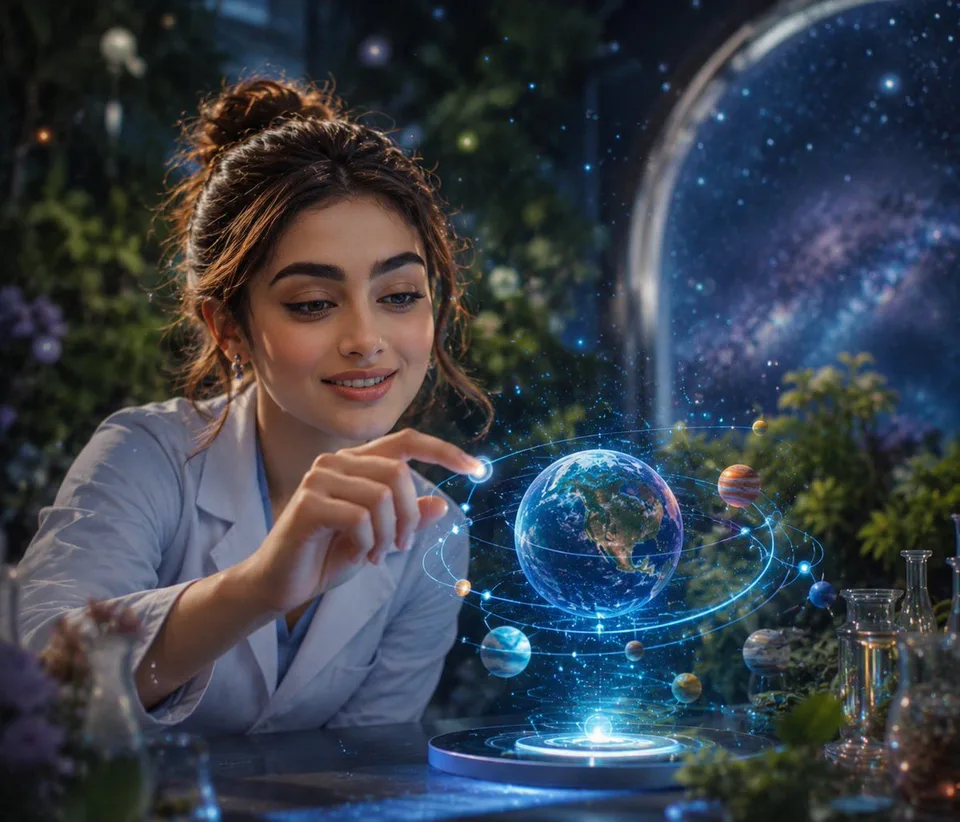
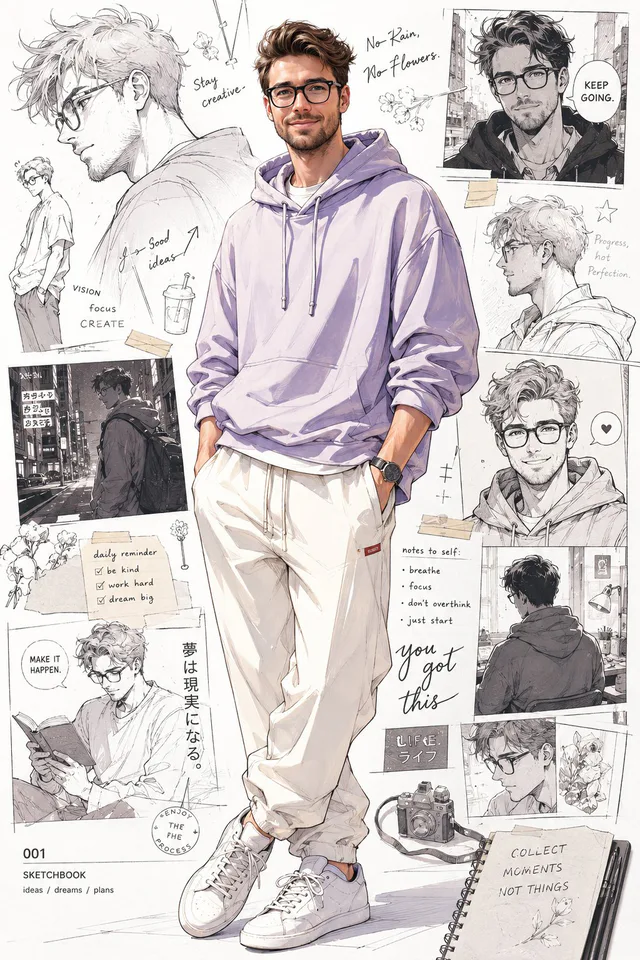
CinePixel fantasy science portrait concept with a researcher exploring a luminous solar-system display

AI portrait generator

Turn a clear character brief into a focused portrait concept

Describe the subject, expression, setting, lighting, and visual style. Start from a real CinePixel example, inspect its source prompt, then continue in the GPT Image 2 workspace.

Model-owned workspace

GPT Image 2

Inspectable source prompt

#1975

Supported portrait and square frames

9:16, 1:1

Concept media license: CC0 1.0

Compare capable models for this task

The verified Prompt for Turn a clear character brief into a focused portrait concept is owned by GPT Image 2. These alternatives cover the required workflows and output shapes; compare typed facts before choosing.

Compare 3 capable models

Explore image generators by task

Jump into a focused image generator for a specific creative task, then continue in its canonical CinePixel workspace.

Browse the full generator directory
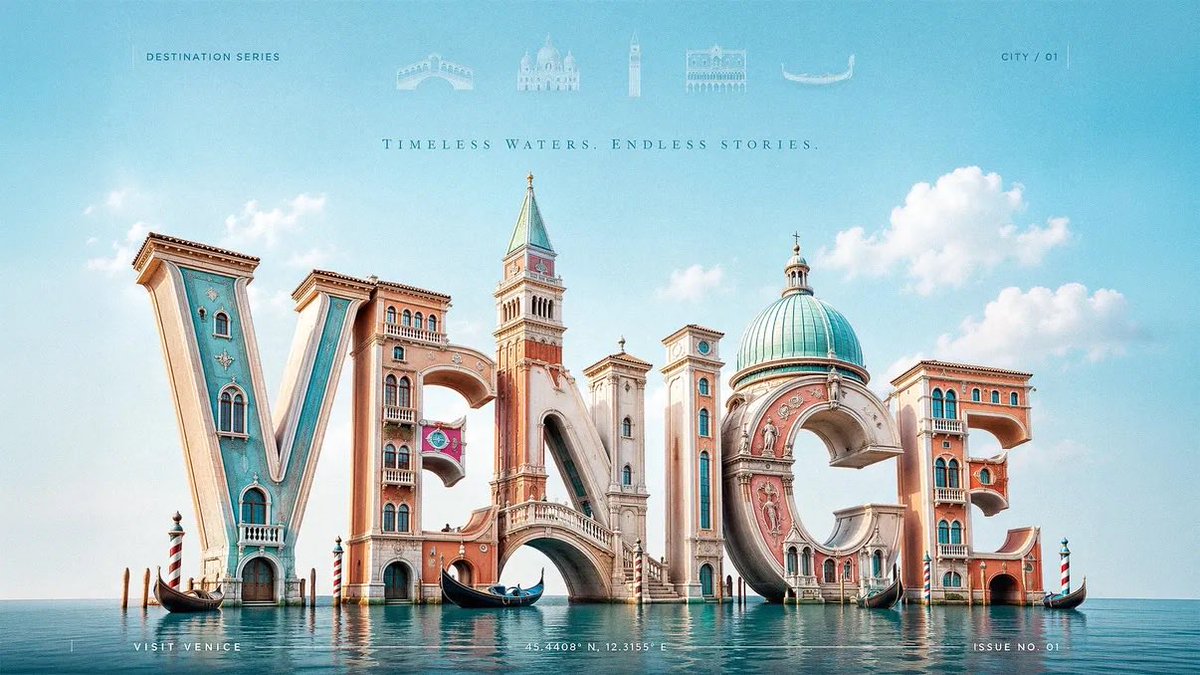
  1. Why it is relatedSame Text to Image workflow · Same prompt-led startPoster conceptsDevelop bold poster directions with a controlled subject, material treatment, color system, and portrait framing.
  2. Why it is relatedSame Text to Image workflow · Same prompt-led startCharacter concepts
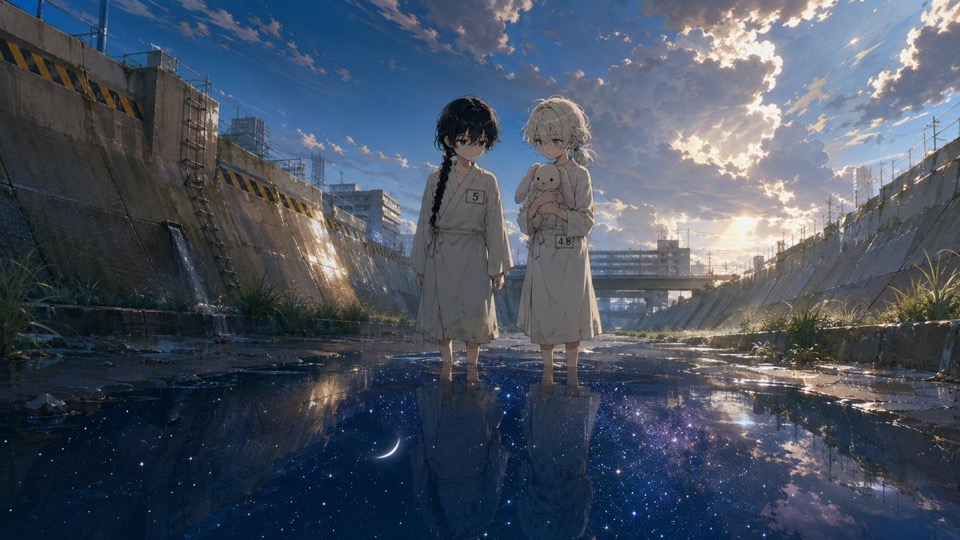
  3. Why it is relatedSame Text to Image workflow · Same prompt-led startAnime scene concepts
  4. Why it is relatedSame Text to Image workflow · Same prompt-led startBook illustration scenes

How it works

Move from a written subject brief to a reviewable portrait direction

01

Define the subject

Describe the character, age range, expression, clothing, pose, and any features that make the fictional or conceptual subject recognizable.

02

Direct the scene and light

Name the setting, camera distance, lighting direction, color palette, and visual style so the portrait has one coherent point of view.

03

Review, refine, and generate

Inspect the prompt and supported frame first, remove conflicting instructions, then explicitly choose Generate when the concept is ready to review.

Practical directions

Use one clear brief for different portrait concepts

Keep the subject and visual hierarchy explicit, then adjust the environment, styling, and frame for each creative goal.

Character exploration

Develop fictional characters for stories, games, pitches, or world-building without implying a real person's identity.

Profile concepts

Explore square or vertical profile directions for creative projects, then review details before using a result publicly.

Editorial portrait directions

Test lighting, wardrobe, setting, and composition ideas for a mood board or concept-stage visual treatment.

Before you generate

AI portrait generator questions

Can I inspect the example prompt first?

Yes. Prompt 1975 has its own canonical CinePixel detail page, so you can review the real prompt and output before opening the workspace.

Which model owns this portrait workflow?

The handoff opens the existing GPT Image 2 text-to-image workspace. This page does not create another generator or hide the selected model.

Does this page preserve a real person's likeness?

No. This route starts from words and does not claim to preserve a real person's identity. Use a supported image-editing workflow when you have a source photo, and review the result instead of treating it as biometric or professional identity proof.

Does opening the workspace generate automatically?

No. Prompt 1975 opens in a reviewable draft state. A generation request starts only after you explicitly choose Generate in the workspace.

Continue with the proven portrait prompt in the real workspace

Open GPT Image 2 with Prompt 1975 ready, refine the subject and scene, and generate only when you choose to proceed.

Open portrait workspace