
01
Frame one story beat
Describe one original moment with fictional characters, their relationship, action, setting, viewpoint, and emotional purpose. Avoid protected characters and requests to imitate a living artist.
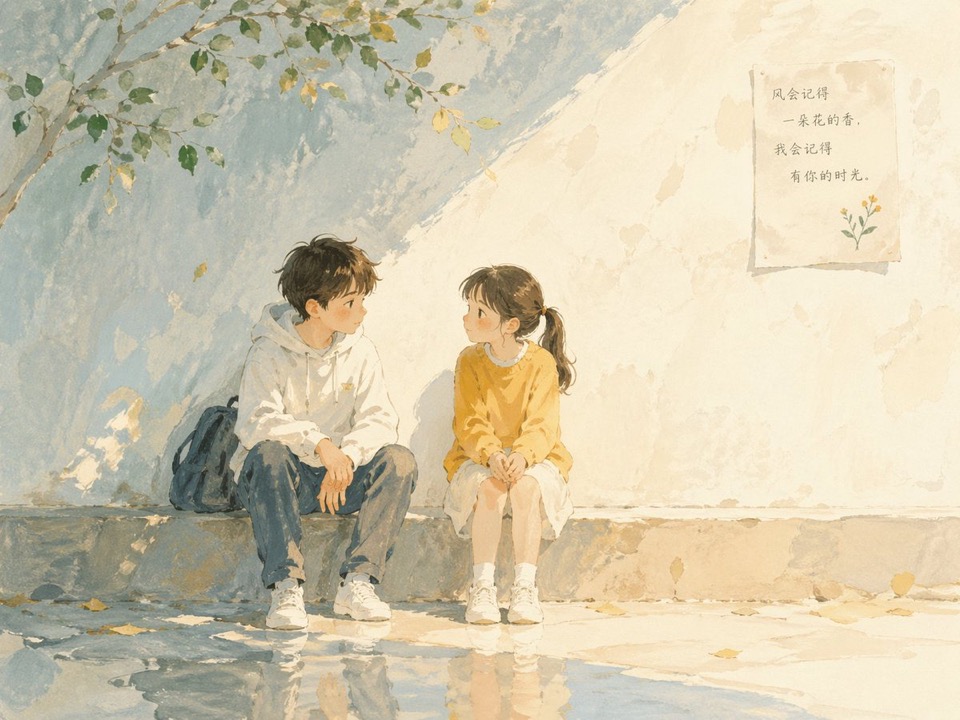
AI book illustration generator
Turn one written story beat into a reviewable watercolor-and-gouache scene. Direct the characters, setting, light, and emotional focus, then treat continuity, typography, page layout, rights, and publication approval as separate work.
Model-owned workspace
GPT Image 2
Inspectable text-only source prompt
#2096
Supported review frames
3:2, 1:1
Concept media license: CC0 1.0
The verified Prompt for Illustrate one story moment from a focused written brief is owned by GPT Image 2. These alternatives cover the required workflows and output shapes; compare typed facts before choosing.
Jump into a focused image generator for a specific creative task, then continue in its canonical CinePixel workspace.
How it works
01
Describe one original moment with fictional characters, their relationship, action, setting, viewpoint, and emotional purpose. Avoid protected characters and requests to imitate a living artist.
02
Direct the medium, palette, paper texture, composition, light, negative space, age-appropriate tone, and visual metaphor without mixing several pages or scenes into one request.
03
Review anatomy, hands, faces, clothing, props, cultural context, unintended symbols, and any generated text. Add final copy and typography separately, then recheck rights and production specifications.
Single-scene directions
Use each result to evaluate one scene direction at a time. Character continuity, manuscript structure, captions, page systems, printing, rights, and release approval remain separate responsibilities.
Explore a meeting, discovery, quiet exchange, lesson, or turning point with one clear action and emotional focus.
Compare watercolor, gouache, ink, collage, or other original visual treatments through palette, texture, light, and negative space without copying a living artist.
Give authors, educators, and collaborators one bounded scene for discussion before commissioning, sequencing, typesetting, accessibility review, rights review, and final production.
Evidence and production boundaries
Yes. Prompt 2096 has a canonical CinePixel detail page with the licensed example and complete text-only source Prompt available before the workspace handoff.
The catalog evidence identifies GPT Image 2, a text-only Prompt, and a same-origin licensed output. CinePixel therefore opens the existing GPT Image 2 Text to Image workspace instead of inventing a separate book model.
No. It creates one static scene concept. It does not parse a manuscript, guarantee recurring-character identity, build a page sequence, produce dependable embedded text, complete typography or print layout, clear rights, or deliver a publish-ready book.
No. The handoff opens GPT Image 2 in Text to Image mode with Prompt 2096 selected and prompt focus visible. A generation request starts only after you explicitly choose Generate.
Open GPT Image 2 with Prompt 2096 ready, refine one original story moment in a supported frame, and generate only when you choose to proceed.
Open book illustration workspace