
Create from text
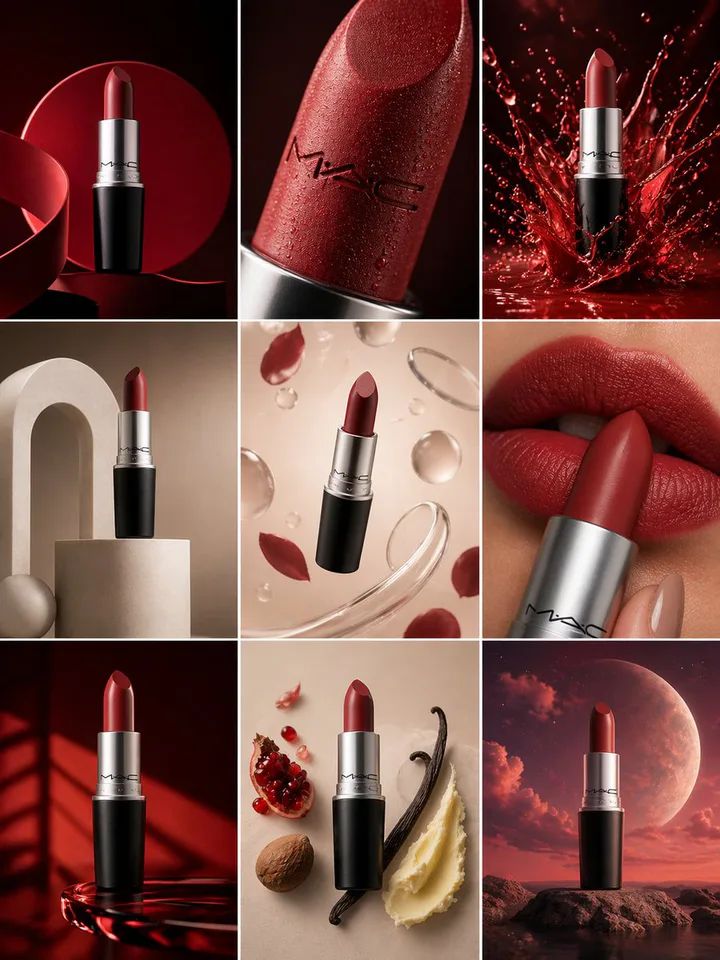
Create finished images, concept art, product shots, and visual drafts from text.
GPT Image 2
Create from text
Create finished images, concept art, product shots, and visual drafts from text.
Create from text
Create finished images, concept art, product shots, and visual drafts from text.
Generate stunning visuals with GPT Image 2
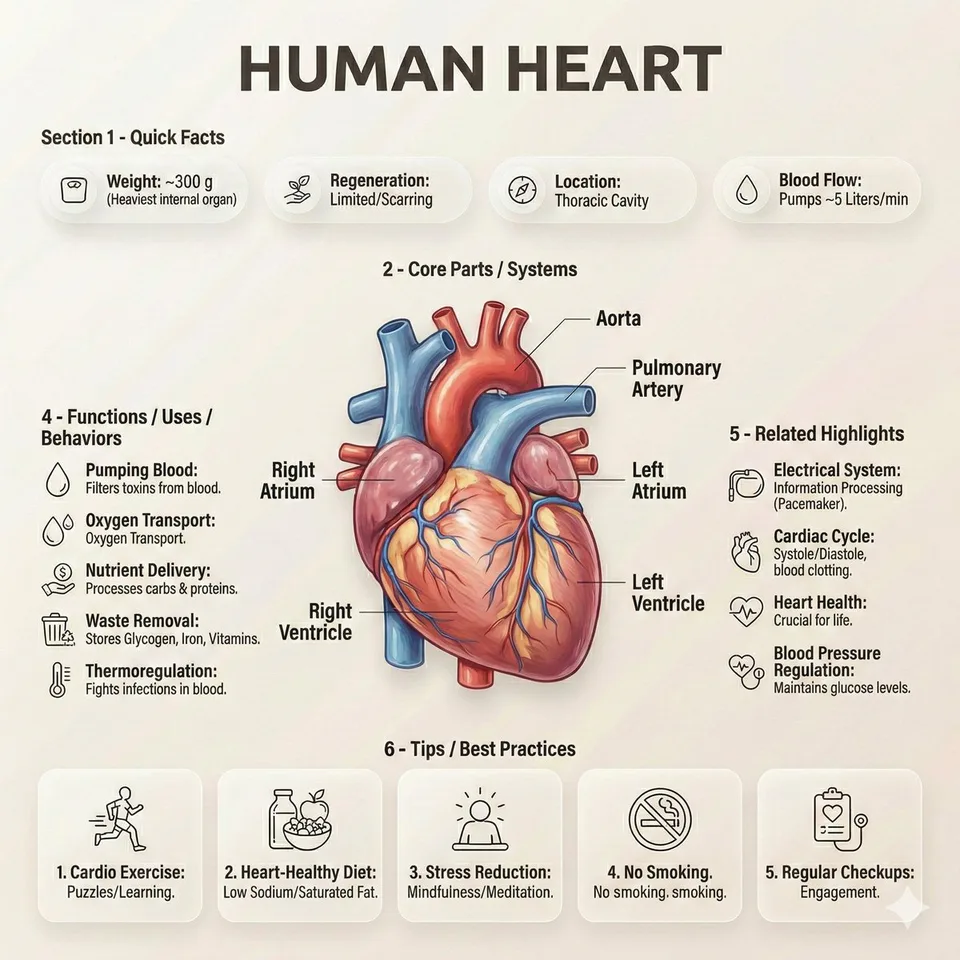
Native multimodal image generation for accurate layouts and typography
Create high-fidelity visuals with GPT Image 2, precise text rendering, dependable spatial control, and reference-aware edits in one focused CinePixel workspace.
- Build detailed compositions from natural-language prompts
- Render legible typography inside generated images
- Refine visual concepts with reference-guided editing
- Export production-ready assets up to 4K
Compare matched model alternatives
These catalog-backed models share the strongest verified capabilities with GPT Image 2. Review the evidence before choosing a workspace.
Explore image generators by task
Jump into a focused image generator for a specific creative task, then continue in its canonical CinePixel workspace.
Start with a production-ready direction
Choose a prompt to load it into the generator, then refine the details before creating.
Built for layout-sensitive image work
GPT Image 2 is strongest when composition, readable text, and iterative visual direction need to stay aligned.
- Text to Image
- Credits per generation
- 10-24 creditsPricing source updated
- Supported aspect ratios
- 16:9 · 9:16 · 1:1 · 3:2
- Output format
- PNG
- Resolution
- 1K / 2K / 4K (varies by settings)
- Image to Image
- Credits per generation
- 10-24 creditsPricing source updated
- Supported aspect ratios
- 16:9 · 9:16 · 1:1 · 3:2 · 2:3
- Output format
- PNG
- Reference image capacity
- Up to 16 reference images
- Resolution
- 1K / 2K / 4K (varies by settings)
Exact options are revalidated in the workspace for the selected workflow and aspect ratio.
- Accurate instruction following across dense creative briefs
- Readable typography for posters, packaging, and interface concepts
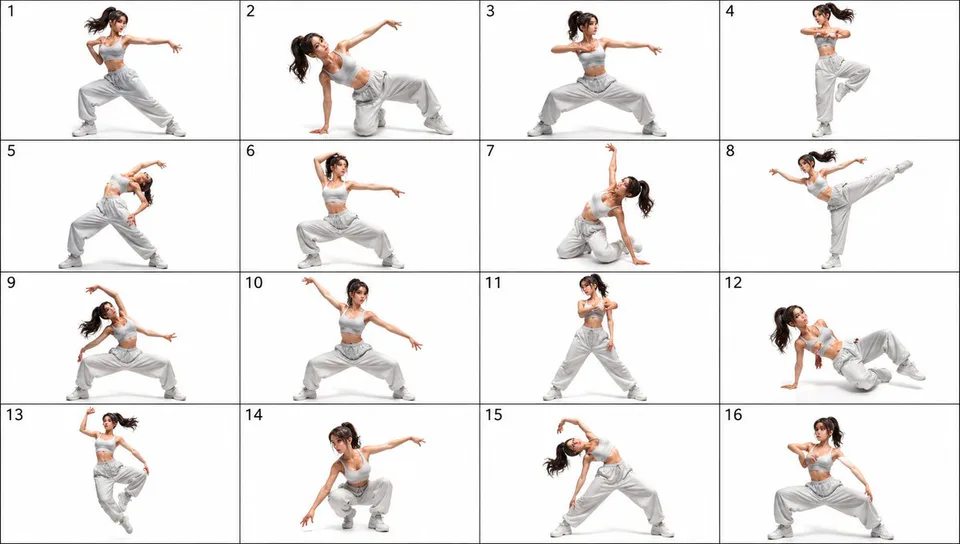
- Reference-aware edits that preserve important visual structure
- Flexible framing for square, portrait, and wide production assets
How to use GPT Image 2
Use the live workbench in four deliberate steps, then review the result before you decide what to create next.
Choose a model and workflow
Start from this canonical model route and select the workflow that matches your brief, such as Text to Image or Image to Image when available.
Describe the visual direction
Write the subject, composition, lighting, materials, and must-keep constraints in the prompt, putting the most important details first.
Add references and adjust settings
Add reference images when the selected workflow supports them, then adjust only the ratio, resolution, format, and other controls shown for that workflow.
Review before creating
Inspect the prompt, references, model, and output settings, then choose Generate when the brief is ready.
GPT Image 2 questions
What should I include in a GPT Image 2 prompt?
Describe the subject, setting, composition, material, lighting, and any text that must appear. Put the most important constraints first.
Can I edit an existing image?
Yes. Switch to Image to Image, add a reference, and describe what should change and what should remain consistent.
Does choosing an example generate an image?
No. An example only fills the prompt field so you can review and edit it before starting generation.
Do I need a separate subscription to use GPT Image 2?
No. CinePixel runs GPT Image 2 with pay-as-you-go credits, so you do not need a separate ChatGPT, Gemini, or other AI plan. Credits are only used when you generate an image.
Ready to shape the next image?
Return to the live workbench to adjust your prompt, inputs, and output settings before you create.
Compare image models
Compare CinePixel AI image models by workflow, provider, output controls, and current credit range, then open a verified model workspace to create.